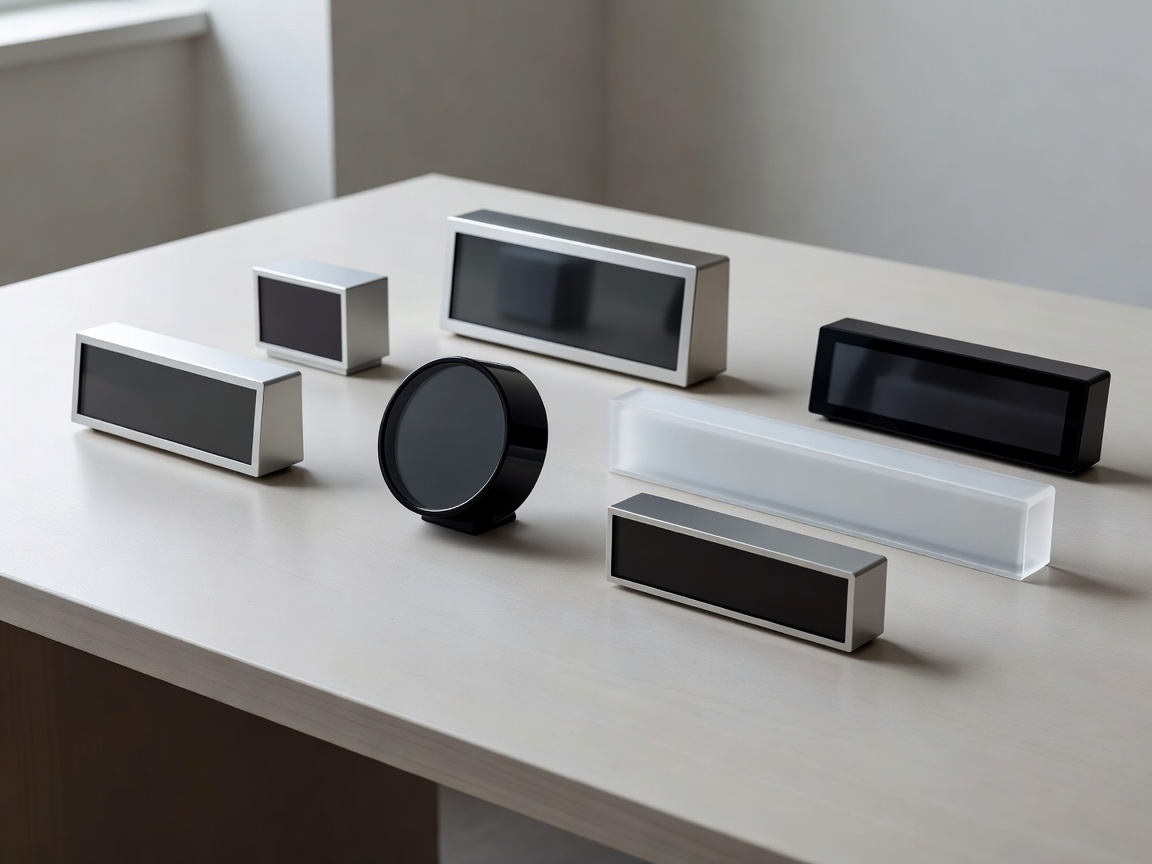
The digital clock market has fragmented into highly specialized categories, each designed to solve specific environmental or operational challenges. While the underlying timekeeping mechanisms—often based on quartz crystal oscillators—remain fundamentally similar across devices, the presentation layer varies wildly. This guide breaks down the most prominent categories of digital clocks available today.
1. The Standard Desk and Alarm Clock
The most ubiquitous iteration of the digital clock is the bedside or desk unit. These compact devices are typically optimized for near-field viewing, featuring display heights between one and three inches. Traditional models utilize a segmented display structure, projecting numbers onto a dark background.
Modern desk units prioritize user ergonomics. Features such as variable dimming—where the display brightness automatically adjusts via an ambient light sensor—ensure that the clock remains readable during the day without disrupting sleep at night. Furthermore, they often include dual alarms, snooze mechanisms built into large, easily accessible top plates, and battery backup systems to maintain time during power outages.
2. Wall-Mounted Digital Clocks
Designed for immediate legibility across large spaces, wall-mounted digital clocks are a staple in gymnasiums, offices, and modern minimalist homes. These units feature oversized digits, sometimes exceeding five inches in height, providing visibility from up to a hundred feet away.
When selecting a wall clock, the primary consideration is power routing. Because massive LED displays draw considerably more current than small LCDs, they often require a continuous mains power connection. This necessitates cable management solutions to prevent an unsightly wire from dangling down the wall. Alternatively, low-power LCD wall clocks can operate for years on standard AA batteries, though they lack the striking luminescence of their LED counterparts and are unreadable in total darkness.
3. Projection Clocks
Projection clocks introduce an entirely different mechanism for displaying time. Alongside a standard face display, these units house a small laser or LED projector mounted on a swivel arm. This arm casts the current time onto a wall or ceiling.
The primary advantage of a projection clock is physiological ergonomics. Rather than lifting one's head or turning over to view a bedside table, a user simply opens their eyes to see the time illuminated on the ceiling above them. Many modern projection units also integrate atomic synchronization, meaning the projected time is consistently precise to the second, and automatically adjusts for Daylight Saving Time.
4. Multi-Functional Weather Station Clocks
Blurring the line between timekeeping and meteorology, weather station clocks dedicate a significant portion of their display real estate to environmental data. Through the use of remote wireless sensors placed outside the home, these units aggregate indoor and outdoor temperature, barometric pressure, and humidity levels.
These devices are invaluable for individuals who require immediate, localized weather context alongside the time. The interface design of these units is inherently more complex, often utilizing multi-colored LCD panels to visually segment different data points.
Summary
Choosing the correct digital clock requires an assessment of your environment. A bright, wall-mounted LED grid may be perfect for a garage workspace but disastrous for a bedroom. Conversely, a subtle LCD weather station might excel on a kitchen counter while being unreadable across a large living room. By matching the form factor to the specific use case, a simple digital clock becomes an indispensable daily tool.